Exploring the historical evolution of gambling From ancient rituals to modern casinos
The Origins of Gambling
The roots of gambling can be traced back to ancient civilizations, where it served as both entertainment and a means of divination. Archeological findings suggest that as early as 3000 BC, the Chinese engaged in games of chance, possibly using rudimentary dice made from animal bones. Similarly, ancient Egyptian artifacts indicate that gambling was prevalent, with evidence of betting on the outcomes of various games and sporting events. In these early societies, a strong allure to the best online casinos began to emerge, blending chance and strategy.
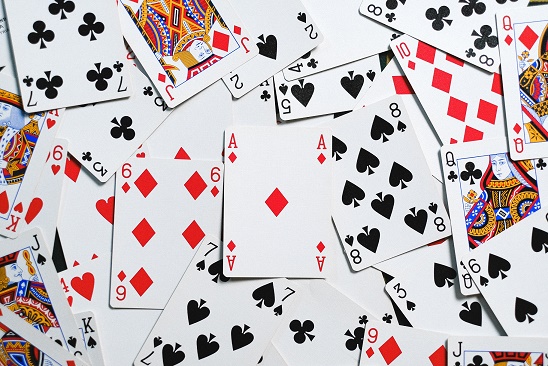
In these early societies, gambling often held significant cultural and religious connotations. It was not uncommon for rituals to be intertwined with games of chance, as participants sought favor from the gods. The belief that fortune was influenced by divine intervention added a layer of complexity to these early gambling practices, laying the groundwork for how the activity would evolve over time.
Gambling in Ancient Rome and Greece
The ancient Romans and Greeks elevated gambling to a new level, integrating it into their social fabric. Games like dice and betting on gladiatorial contests became widespread, reflecting the competitive spirit of the times. In ancient Rome, lawmakers even attempted to regulate gambling, indicating its popularity and the potential for abuses. This era also saw the emergence of gambling houses, where patrons could engage in various games in a structured environment.
Greek philosophers, including Aristotle and Plato, debated the ethics of gambling, highlighting its dual nature as both a leisure activity and a potential vice. This philosophical discourse shaped societal attitudes toward gambling, leading to a complex relationship that still resonates today.
The Middle Ages to the Renaissance
The Middle Ages marked a decline in gambling activities, largely influenced by the rise of the Church, which condemned games of chance as sinful. However, the Renaissance heralded a revival of interest in gambling, particularly with the invention of the playing card in the late 14th century. This innovation spurred the development of various card games, leading to the establishment of gambling as a popular pastime among the nobility.
This period also saw the creation of the first official lotteries, which were often used to raise funds for public projects. As the world transitioned into the modern era, gambling became more organized, with the establishment of licensed gambling houses, paving the way for the sophisticated casinos we know today.
The Birth of Modern Casinos
The 18th century saw the emergence of the first modern casinos, particularly in Europe. The Casino di Venezia in Italy is often considered the oldest continuously operating casino in the world, opening its doors in 1638. These establishments began to offer a range of games, including roulette and baccarat, which quickly gained popularity among the elite and affluent classes.
As gambling spread across Europe and eventually to America, it transformed into a major industry, supported by an increasing acceptance and normalization of gambling culture. The Las Vegas Strip emerged in the 20th century as a symbol of modern gambling, offering opulent venues and high-stakes experiences that attracted millions of visitors from around the globe.

Ensuring Safe and Enjoyable Gambling Experiences
As we explore the evolution of gambling, it is essential to consider the measures that have been put in place to ensure player safety and enjoyment. Modern casinos have adopted various security protocols and responsible gambling practices to protect patrons. This includes the use of technology to monitor gambling activities and promote safe gaming habits.
Today, many casinos offer resources for individuals who may be struggling with gambling addiction, showcasing a commitment to the well-being of their customers. Websites dedicated to enhancing the gambling experience also focus on security and performance, providing a safer environment for online players to enjoy their favorite games.